Sub-Total: $0.00
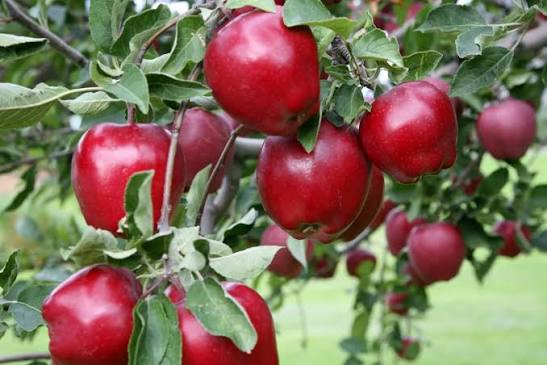
Red Delicious Apple 3′-4′
$25.00
The Red Delicious apple is one of the most famous and recognizable fruit varieties in the world. First discovered as a chance seedling in Iowa in 1872, it became the most grown apple in the United States for five decades before being surpassed by the Gala apple in 2018.Characteristics & Flavor ProfileAppearance: Deep crimson skin, a highly elongated shape, and five distinct bumps on the bottom.Flavor: Mildly sweet with a very low acidity.Texture: Crisp and juicy when perfectly fresh, though the skin is notoriously thick and can taste bitter.Culinary Best UsesBecause the flesh becomes soft and mealy when heated, the Red Delicious is not recommended for baking or cooking. It is best utilized for:Snacking freshTossing into green saladsBlending into apple ciderCommercial Rise and FallFor decades, commercial growers selectively bred the Red Delicious to be redder, tougher, and longer-lasting for shipping. While this made it a stunning visual icon for grocery store displays, the intense focus on appearance caused the fruit to lose much of its original flavor and crispness over time. This drop in eating quality led consumers to pivot toward sweeter, crisper alternatives like Honeycrisp, Fuji, and Gala.
Description
The Red Delicious apple is one of the most famous and recognizable fruit varieties in the world. First discovered as a chance seedling in Iowa in 1872, it became the most grown apple in the United States for five decades before being surpassed by the Gala apple in 2018.Characteristics & Flavor ProfileAppearance: Deep crimson skin, a highly elongated shape, and five distinct bumps on the bottom.Flavor: Mildly sweet with a very low acidity.Texture: Crisp and juicy when perfectly fresh, though the skin is notoriously thick and can taste bitter.Culinary Best UsesBecause the flesh becomes soft and mealy when heated, the Red Delicious is not recommended for baking or cooking. It is best utilized for:Snacking freshTossing into green saladsBlending into apple ciderCommercial Rise and FallFor decades, commercial growers selectively bred the Red Delicious to be redder, tougher, and longer-lasting for shipping. While this made it a stunning visual icon for grocery store displays, the intense focus on appearance caused the fruit to lose much of its original flavor and crispness over time. This drop in eating quality led consumers to pivot toward sweeter, crisper alternatives like Honeycrisp, Fuji, and Gala.