Sub-Total: $0.00
Harrowcrisp Pear 3′-4′ potted
$30.00
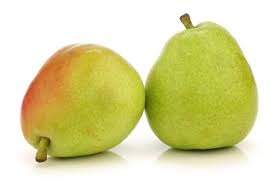
The Harrow Crisp (or AC Harrow Crisp) is an early-season European pear developed in Ontario, Canada. It features smooth yellow skin with a red blush, crisp and grit-free cream-white flesh, and a mild, sweet flavor. Highly resistant to fire blight, it matures in late August or early September.Fruit and Harvest DetailsFlavor & Texture: Mildly sweet with a firm, fine-grained, and grit-free bite that holds its shape well.Harvest Time: Late August to early September (around the same time as Bartlett).Best Uses: Excellent for fresh eating, baking, and juicing.Storage: Keeps for about 2 to 3 weeks at peak quality, or up to 2 months if picked slightly early and cold-stored.Tree and Growing InformationHardiness: Cold-hardy down to USDA Zone 4 (approx. -29°C).Disease Resistance: Exceptionally high resistance to fire blight.Pollination: Considered partially self-fertile, but yields improve with cross-pollination from companion varieties like Bosc, Flemish Beauty, or Anjou (though it is a poor pollenizer for Bartlett itself). Opinions on specific cross-compatibility in different climates can vary slightly among growers on GrowingFruit.Size: Grows to a manageable 12 to 18 feet
Description
The Harrow Crisp (or AC Harrow Crisp) is an early-season European pear developed in Ontario, Canada. It features smooth yellow skin with a red blush, crisp and grit-free cream-white flesh, and a mild, sweet flavor. Highly resistant to fire blight, it matures in late August or early September.Fruit and Harvest DetailsFlavor & Texture: Mildly sweet with a firm, fine-grained, and grit-free bite that holds its shape well.Harvest Time: Late August to early September (around the same time as Bartlett).Best Uses: Excellent for fresh eating, baking, and juicing.Storage: Keeps for about 2 to 3 weeks at peak quality, or up to 2 months if picked slightly early and cold-stored.Tree and Growing InformationHardiness: Cold-hardy down to USDA Zone 4 (approx. -29°C).Disease Resistance: Exceptionally high resistance to fire blight.Pollination: Considered partially self-fertile, but yields improve with cross-pollination from companion varieties like Bosc, Flemish Beauty, or Anjou (though it is a poor pollenizer for Bartlett itself). Opinions on specific cross-compatibility in different climates can vary slightly among growers on GrowingFruit.Size: Grows to a manageable 12 to 18 feet